Embedded Scholars
At the heart of the SSNE-STaR Center are our dedicated scholars, who are embedded within Arizona’s safety net health organizations. These scholars come from diverse backgrounds and are united by a passion for improving health outcomes in underserved communities. Over the course of two years, they will work on innovative research projects focused on addressing health disparities, promoting equity, and enhancing healthcare delivery in populations most in need.

Leah Hillier, MD
Sports Medicine, Family Medicine
Banner Health
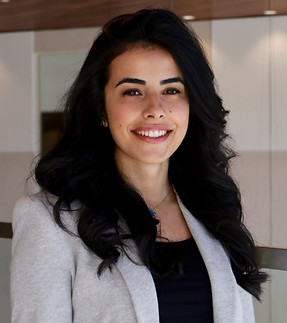
Leen Naji, MD
Family Medicine
Banner Health
Fall 2024 - Spring 2026 Cohort and Projects
Leah Hillier, MD
Dr Hillier is interested in equitable access to guideline-concordant knee osteoarthritis treatment, particularly how health insurance policies & processes and out-of-pocket costs disproportionately restrict access to evidence-based care.
Leen Naji, MD, PhD
Dr. Naji is interested in evaluating predictors of treatment outcomes for patients receiving medication assisted treatment for opioid use disorder.

Cory Nielsen, DO
Child and Adolescent Psychiatrist
Valleywise Health

Shahrzad Saririan, MD, FAAFP
Associate Professor | Director, Family, Community and Preventive Medicine Clerkship
University of Arizona of Medicine Phoenix

Sandra Yuh, MD
Medical Director, Internal Medicine Department
Valleywise Health

Taylor Young, PhD
Assistant Vice Chair of Research, University of Arizona Banner Health

Megan McElhinny, MD
Emergency Physician
Valleywise Health

Hana Alkahlout, DO
Family Medicine Faculty
Valleywise Health
Spring 2025 - Spring 2027 Cohort and Projects
Cory Nielsen, DO
Dr. Nielsen is interested studies patient-centered outcomes among individuals with Serious Mental Illness (SMI), comparing those with high anticholinergic medication burden to those with low or no use during the hot summer months. Her work also centers patient voice through interviews with individuals who have lived experience of SMI and anticholinergic use during extreme heat in Phoenix, Arizona.
Shahrzad Saririan, MD
Dr. Saririan is interested in evaluating patient-reported barriers and facilitators to completing Helicobacter pylori treatment in safety-net primary care settings, with a focus on low-income, immigrant, and refugee populations. Her work explores the acceptability and feasibility of simplified treatment regimens to inform future patient-centered, implementation-focused comparative effectiveness research.
Sandra Yuh, MD
Dr. Yuh is interested in evaluating strategies to increase meaningful use of continuous glucose monitors (CGMs) among adults with diabetes in Federally Qualified Health Centers. Her work examines whether electronic medical record–based tools and structured prescribing protocols improve CGM uptake and diabetes management compared to usual care.
Taylor Young, DO
Dr. Young is interested in evaluating patient engagement models within integrated behavioral health (IBH) primary care settings, comparing a co-design partnership approach to standard consultative engagement methods. Her work examines whether shifting patients into active “system architect” roles improves agency, equity, and measurable patient-centered outcomes in safety-net primary care.
Megan McElhinny, MD
Dr. McElhinny is interested in evaluating the clinical effectiveness of cooling strategies, including cold water immersion, in reducing mortality among patients presenting with heat stroke in Phoenix, Arizona. Her work examines how timely temperature management and stakeholder-informed implementation strategies can improve patient-centered outcomes during extreme heat events.
Hana Alkahlout, DO
Dr. Alkahlout is interested in evaluating how patient engagement influences the patient-centeredness of resident-led quality improvement initiatives. Her work aims to develop and test tools that embed meaningful patient collaboration into residency training programs to strengthen patient-centered care.

Jason Leubner, MD
Executive Medical Director
Banner Health
Fall 2025 - Fall 2027 Cohort and Projects
Jason Leubner, MD
Dr. Leubner is interested in evaluating transportation-related interventions in ambulatory primary care settings and their impact on diabetes outcomes and patient-centered measures. Her work uses implementation science frameworks to identify which strategies meaningfully reduce transportation insecurity and improve chronic disease management in underserved populations.

Erin Thornley, MD
Pediatric Critical Care Physician
Phoenix Children’s Hospital

Namoonaga Mantina, PhD
Assistant Director
University of Arizona Comprehensive Cancer Center
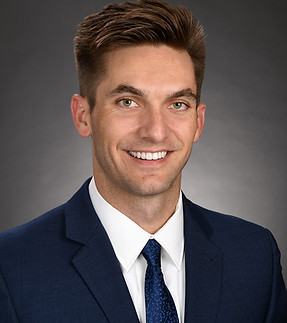
Timothy Shimon, MD
Clinical Informatics Fellow
University of Arizona College Of Medicine
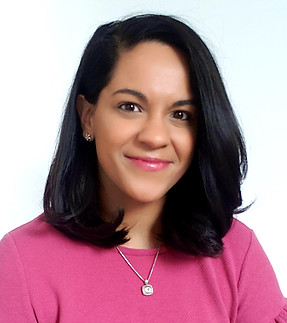
Misha Pangasa, MD
Obstetrician and Gynecologist
Valleywise Health

Ashley Madera, MD
Neurologist Movement Disorders
Barrow Neurological Institute

Jennifer Fernandez, MD
Clinical Informatics Fellow
University of Arizona College Of Medicine

Allison Huff, PhD
Family & Community Medicine
University of Arizona
Spring 2026 - Spring 2028 Cohort and Projects
Erin Thornley. MD
Dr. Thornley is interested in understanding how environmental exposures, clinical management, and genetic factors influence recurrence, severity, and immune protection in pediatric Staphylococcus aureus infections. Her work aims to identify modifiable risk factors to improve outcomes and prevent recurrent infection in children.
Namoonga Mantina, PhD
Dr. Mantina is interested in HPV-associated cancer prevention and screening, including HPV vaccination and HPV self-sampling. With a background in population health, she is also focused on expanding her experience in clinical outcomes research.
Timothy Shimon, MD
Dr. Shimon is interested in improving primary care efficiency and outcomes through the development of a centralized health dashboard using patient data from the health information exchange. His work focuses on integrating quality metrics across clinical practices to help providers identify gaps in care and improve performance.
Misha Pangasa, MD
Dr. Pangasa is interested in improving early pregnancy management by enhancing coordination across emergency medicine, radiology, and obstetrics teams. His work focuses on streamlining care processes to improve patient satisfaction and clinical outcomes in complex care settings.
Ashley Madera, MD
Dr. Madera is interested in developing and implementing interventions to improve quality and access to care for underserved patients with Parkinson’s disease, with a particular focus on Latino and Spanish-speaking populations. His work aims to identify barriers across neurology and neurosurgical care and build a patient-centered Movement Disorders program to improve outcomes and expand access nationally.
Jennifer Fernandez, MD
Dr. Fernandez is interested in database-driven dermatology research, particularly examining outcomes and survival in non-melanoma skin cancers using large national datasets. His work also explores the application of artificial intelligence and real-world registry data to improve treatment strategies, monitoring, and long-term outcomes in dermatologic disease.
Allison Huff, PhD
Dr. Huff is interested in improving substance use disorder and mental health outcomes across Arizona’s diverse populations, including rural, border, and tribal communities. Her work evaluates patient-centered interventions that are both effective and scalable, with a focus on advancing equitable, community-informed approaches to behavioral health care.